
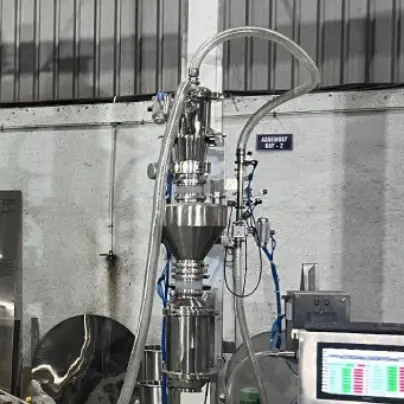
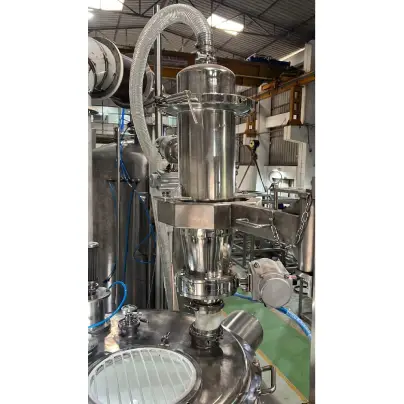
In modern manufacturing, the efficient and safe transport of powders, granules, and other bulk solids is critical. The vacuum conveying system has emerged as a superior solution for hygienic, enclosed, and efficient material handling. This guide explores the eight most impactful benefits of vacuum conveying systems, especially for facilities that move bulk or fragile materials in industries like pharmaceuticals, food, and chemicals. To see how this system works in pharmaceutical setups, check our Vacuum Conveying System product page
Vacuum conveying systems operate in a fully enclosed environment, minimizing the risk of contamination. Explore how our pharma-grade vacuum conveying systems meet cGMP and cleanroom standards. such as pharmaceuticals and food processing.

Ideal for fragile products like tablets, capsules, or delicate food items, vacuum systems use low-velocity air to minimize product damage. The use of phase pneumatic conveying systems ensures smooth transfer.
Explore our vacuum tray dryer for cleanroom-compatible processes.

A vacuum conveyor is more energy-efficient than traditional mechanical or pneumatic conveyors, consuming less compressed air and reducing operating costs.
Handling abrasive materials or hazardous powders? The enclosed nature of vacuum systems ensures operational safety and system longevity.
Want details on how the system handles hazardous powders? Check our product specifications here.

Conveying systems designed for clean environments are simple to clean and maintain. Many systems feature Clean-In-Place (CIP) or tool-free disassembly used in vacuum tray dryer systems.
See our Vacuum Tray Dryer solutions for sterile applications.
Whether your operation uses dense phase conveying or vertical lifts, vacuum systems adapt to your facility’s layout. They integrate easily with mixers, packaging lines, and hoppers.
Discover how rapid mixer granulators pair with vacuum technology.
These systems can handle virtually any type of material—from bulk solids and powders granules to sticky or abrasive substances.
See how vacuum conveying systems optimize operations across sectors.

Automated and enclosed vacuum conveyors minimize human interaction with moving materials, reducing the likelihood of accidents and ergonomic injuries.
Explore more about our conveyor systems and safety features.
Choosing a vacuum conveying system means investing in performance, safety, and compliance. Whether you handle abrasive materials, bulk solids, or fragile products, these systems are designed to meet the highest standards of modern production. For complete system features and configurations, visit our Vacuum Conveying System page.
Ready to transform your production with advanced vacuum conveying systems? Contact MarkMaker Pharma today for a customized solution!
1. What is a vacuum conveying system?
A vacuum conveying system uses negative pressure to move bulk materials such as powders and granules through a sealed conveying line.
2. How is it different from a pneumatic conveyor?
Vacuum systems use suction (negative pressure), while pneumatic conveying systems typically use positive pressure.
3. What industries benefit most from vacuum conveying?
Industries like pharmaceuticals, food processing, and chemicals benefit most due to their need for cleanliness and product integrity.
4. Can vacuum conveyors handle abrasive materials?
Yes. Their enclosed design makes them suitable for abrasive or hazardous materials, reducing wear and contamination.
5. Are vacuum conveying systems energy efficient?
Absolutely. These systems require less energy and compressed air than traditional conveyor systems, leading to long-term savings.